


Latest news

High interest rates continue to impact financing for commercial real estate projects, with private construction activity noticeably slowing, while public project spending supports overall growth. Industry insiders point out that if interest rates stabilize, construction activity is expected to recover.
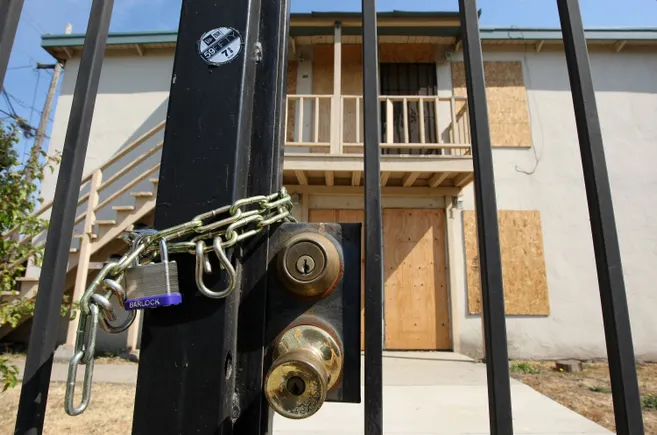
Facing rising interest rates and loan maturity pressures, apartment investors are closely watching for signs of distressed assets in the market. Although discounted trades have occurred in some areas, a large-scale sell-off has not yet taken place. This article reviews key market dynamics, data, and insights from industry executives.
At the start of the new year, apartment industry professionals face multiple challenges and opportunities. Amid ongoing labor shortages and high interest rates, the trajectory for 2024 is hard to predict, but insights and information provided by Multifamily Dive can help clarify the path. This article summarizes important trends and topics that multifamily housing executives need to watch.
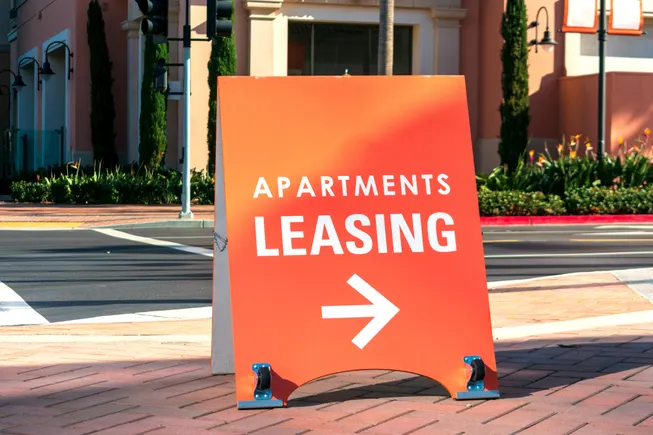
The U.S. multifamily housing market is experiencing a wave of rent concessions driven by a surge in new supply and high interest rates. Developers, aiming to boost occupancy, are offering concessions such as up to three months of free rent, luring tenants from Class B apartments to newer, more amenity-rich Class A properties. Executives from REITs like UDR, MAA, and Camden, along with RealPage economists, confirm this trend and analyze its causes and implications.
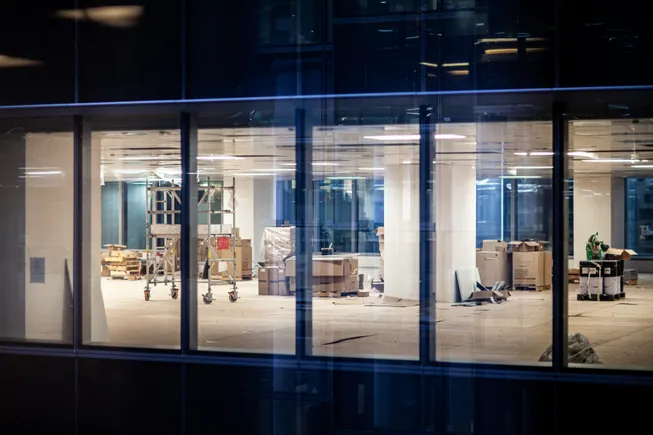
The U.S. Department of Housing and Urban Development (HUD) announced research grants of up to $860,000 to study cases of commercial-to-residential conversion projects, promoting adaptive reuse, alleviating housing shortages, and potentially creating jobs for facility managers.
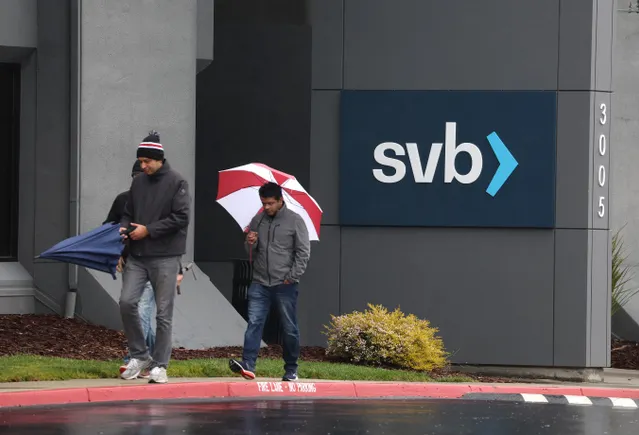
The collapses of institutions such as Silicon Valley Bank and Signature Bank are rippling through the multifamily housing market. This article outlines four key impacts, including regional bank stress, development financing difficulties, CMBS volatility, and interest rate uncertainty, and cites observations from multiple industry executives.
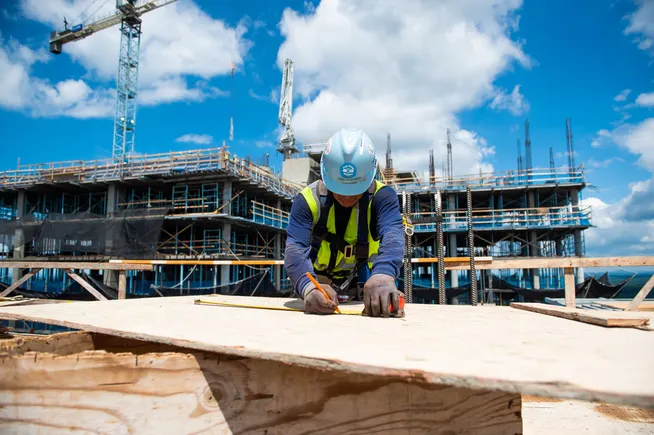
Nearly all economists and contractors expect some degree of economic slowdown this year, with some even incorporating a recession into their forecasts. However, industry executives and economists note that, compared with the Great Recession of 2007-2009, this downturn differs significantly in terms of the job market, project pipelines, interest rate environment, and supply chain conditions, and its duration and depth may be relatively moderate.
After a luxury apartment in Dallas introduced Airbnb short-term rentals, long-term residents faced privacy disturbances and facility damage. Despite the risks, some management companies still view short-term rentals as a means to boost occupancy and revenue. This article outlines the cautious and proactive camps within the industry and introduces solutions from professional short-term rental operators.
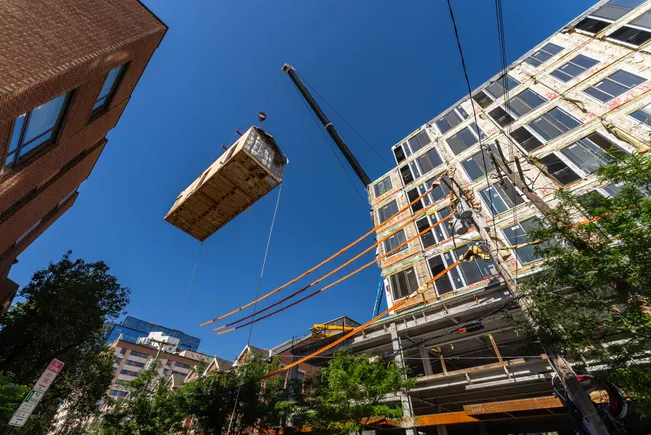
Multifamily housing developers are accelerating the adoption of modular construction to shorten project timelines and address labor shortages. The 2022 MBI report shows this segment accounts for 23% of commercial modular output, yet overall penetration is only 5.52%. Although costs are comparable to traditional methods, standardized design and factory prefabrication can save several months. Transportation regulations and design flexibility remain challenges, but the industry expects market share to double over the next five years.
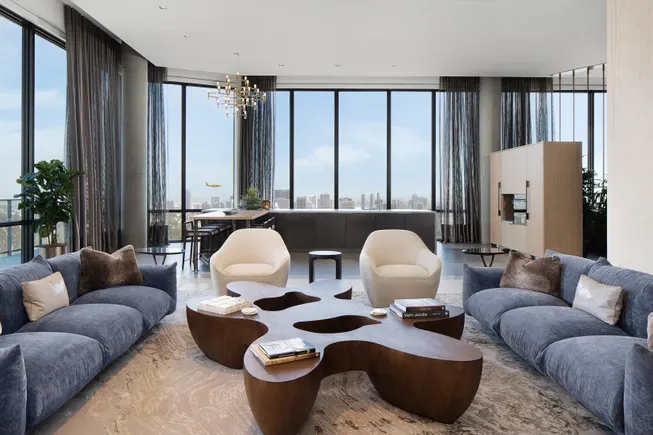
The pandemic and the normalization of remote work have profoundly changed the demands of multifamily residential tenants for amenities. Industry experts point out that the past amenity arms race, primarily aimed at attracting young professionals, has come to an end, replaced by an emphasis on flexible workspaces, integrated common areas, and health and outdoor experiences. Based on interviews with multiple design, development, and asset management companies, this article summarizes nine amenity trends worth noting in 2023, including segmented flexible workspaces, amenity integration, small rental offices, rentable items, grab-and-go convenience stores, health and wellness, outdoor spaces, pet facilities, and community connection.