


Latest news
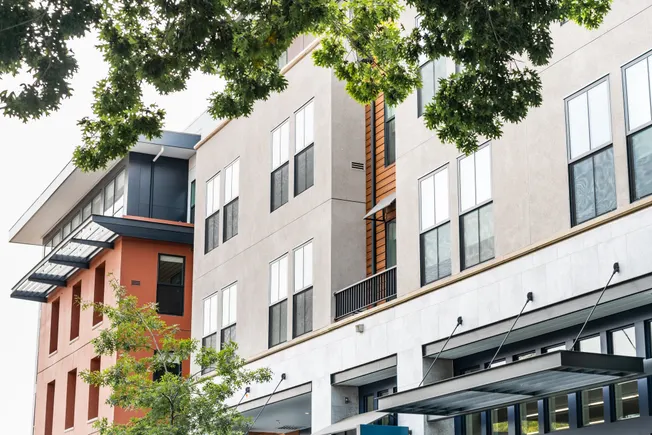
The multifamily housing market is expected to recover in 2026, but transaction obstacles remain. Experts point out that five major trends will dominate the market: converging price expectations between buyers and sellers, an increase in distressed assets, stable rents attracting investors, ample capital but REITs taking a wait-and-see approach.
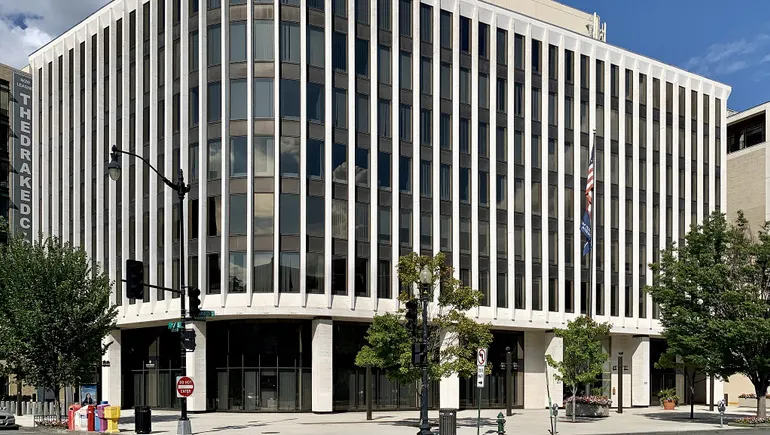
Gensler's 2026 Design Forecast report notes that multifamily residential design is being reshaped by rapidly changing technology, climate patterns, and the demand for affordability and wellness amenities. The report identifies four major trends: adaptive reuse shifting from exception to norm, experience and local connection enhancing property value, AI and construction technology providing insights, and climate resilience becoming an essential design requirement.
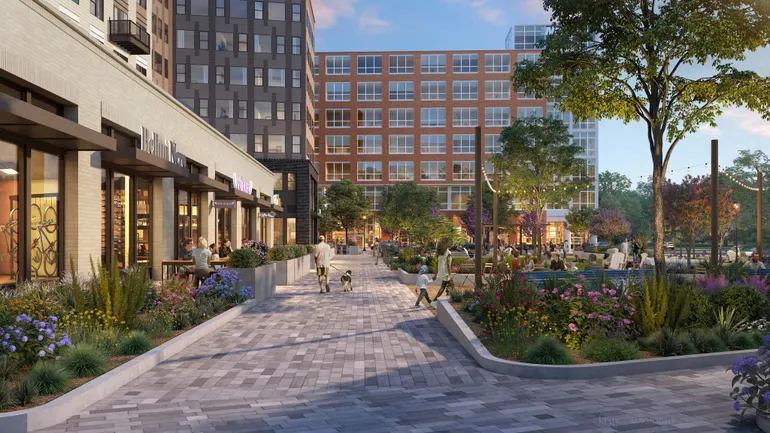
JBG Smith announced it has received approval from the City of Alexandria to build 640 apartments and townhomes in the Potomac Yard area, with the project encompassing market-rate rentals, affordable housing, and single-family townhomes, along with retail and open space.
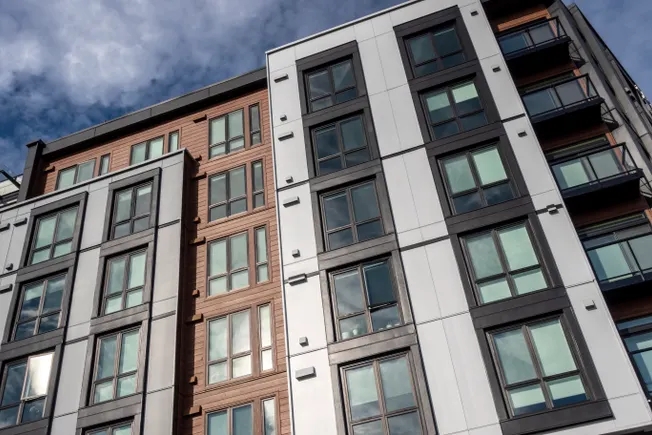
The multifamily industry had anticipated that a slowdown in new supply from late 2025 into 2026 would lead to rent recovery, but economic uncertainties such as tariffs and weak employment growth have disrupted these expectations. Operators are generally adopting conservative strategies, prioritizing occupancy, with rents experiencing an unusual decline in the summer. Several executives and economists believe that the true market direction will only become clear during the spring leasing season of 2026.
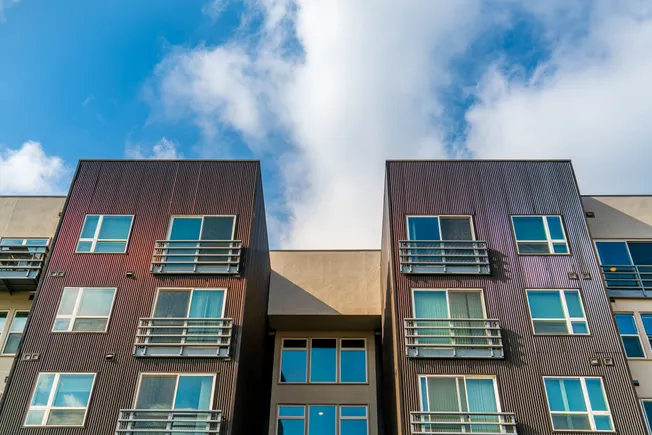
Despite a decline in transaction volume in the second quarter, industry executives expect multifamily housing transaction volume to grow in the second half of the year, driven by buyers adapting to market fluctuations, ample capital, and more properties entering the market.
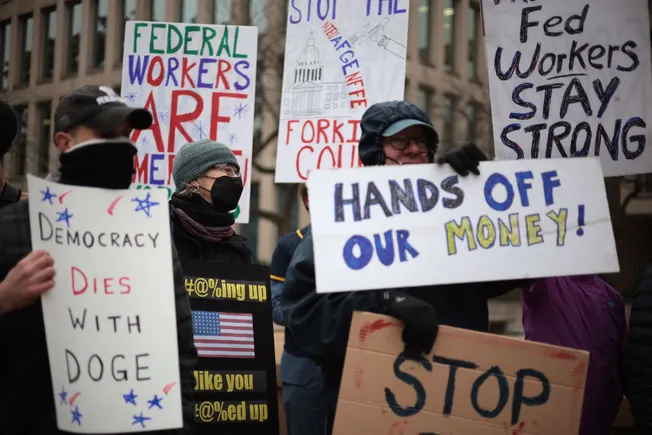
For a long time, Washington, D.C. has been regarded as a 'safe haven' for apartment owners, thanks to stable employment in the federal government and contracting industries. However, since Trump's inauguration day, the Department of Government Efficiency (DOGE) has cut at least 101,022 federal employees, with more layoffs targeting the capital region. Although owners and REIT executives said on Q4 earnings calls that they have not yet seen major impacts, there is widespread concern over uncertainty in the short-term rental market, office lease terminations, and transaction activity. Market diversification and return-to-office policies may provide some buffer, but most believe it will take several months to observe.
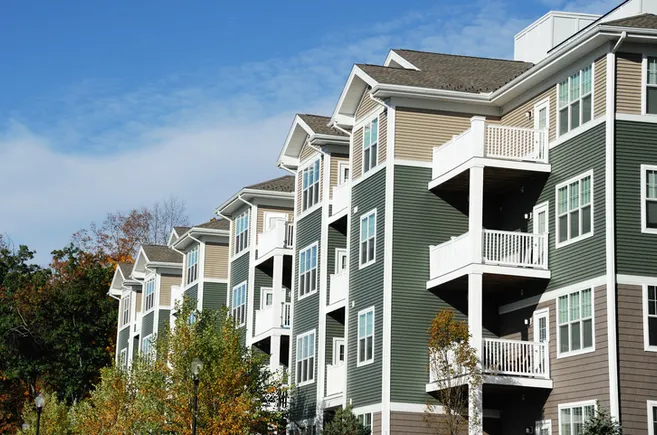
In 2025, apartment industry executives generally view this year as a year of transformation. Although overall demand remains strong, oversupplied markets still need to wait for growth. The direction of interest rates and the impact of the new government's policies have become the focus of industry attention.

Over the past year, Multifamily Dive interviewed more than 20 apartment executives to explore the industry's views on centralization and its implementation. This article is the fifth in the series, focusing on the evolution of the assistant manager role—from traditional bookkeeper to a position that may be replaced by centralization—analyzing the opportunities and challenges in its transformation.
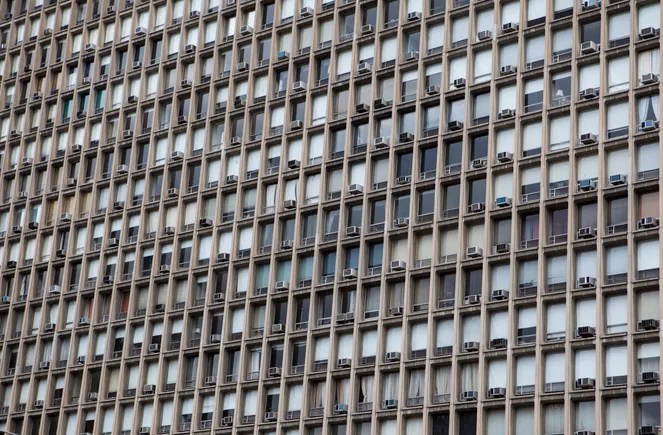
Montgomery County, Maryland, passed a regionally pioneering law in 2020 requiring landlords to provide air conditioning for tenants during the summer, setting a maximum indoor temperature of 80 degrees Fahrenheit. The law originated from public testimony in 2019 by tenant Victoria Price, who described health crises in senior apartment buildings due to a lack of cooling equipment. Over four years since implementation, the county has faced challenges such as HVAC system conversions in older buildings and compliance oversight, but its experience is now being referenced by areas such as New York City and Los Angeles County.
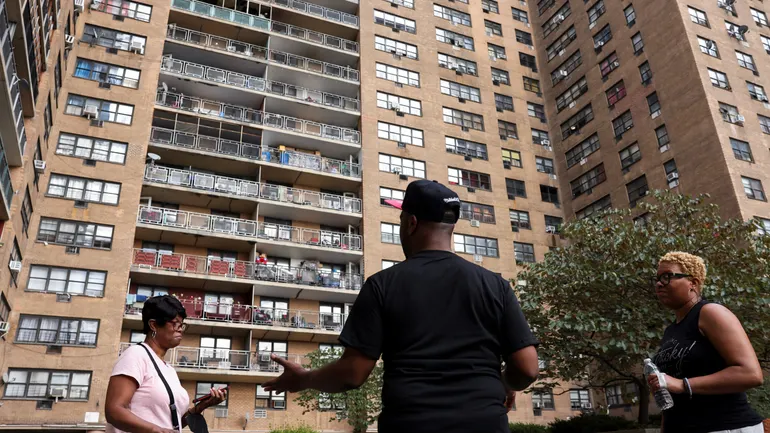
Facing record-breaking heat due to climate change, an increasing number of U.S. cities are enacting legislation to protect tenants' right to cool, requiring landlords to provide functioning air conditioning. Dallas implemented such policies first in 2017, followed by Montgomery County, Chicago, and New Orleans, with New York City and Los Angeles County also considering similar measures. However, implementation still faces challenges such as energy bill burdens, retrofitting older buildings, and urban heat island effects.