


Latest news
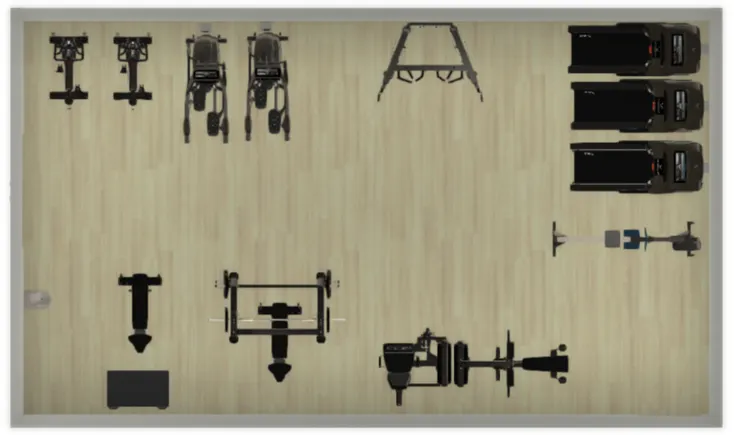
Designing multifamily fitness spaces is not simply about configuring equipment. RREAF Holdings' experience shows that the key lies in collaborating with specialized partners early and planning within budget and spatial constraints. This article, through the perspectives of its asset manager Taylor Kolle and Lorne LaPorte of Johnson Commercial Fitness, dissects the entire process from layout and equipment selection to final completion.

Enterprise Community Partners updates its Green Communities standard for affordable housing, adding resilience assessments, emergency manual requirements, and strengthening the three themes of energy, health, and resilience to help communities achieve both housing and climate goals.

A California bill proposes allowing single-staircase designs for multifamily housing up to six stories to reduce construction costs and increase housing supply. The bill's author, State Assemblymember Alex Lee, cites precedents in cities like New York and Seattle, but a March report from the State Fire Marshal's office recommends relaxing the rule only to four stories and emphasizes the importance of a second stair for firefighter safety.

The shortage of affordable housing in the United States continues to trouble renters, and developers face many challenges. Nevertheless, three new projects have recently started construction: Landmark on Scioto in Columbus, Ohio (321 units); the La Maravilla project in San Francisco (382 units total); and the Campello public housing redevelopment project in Brockton, Massachusetts (398 units total).
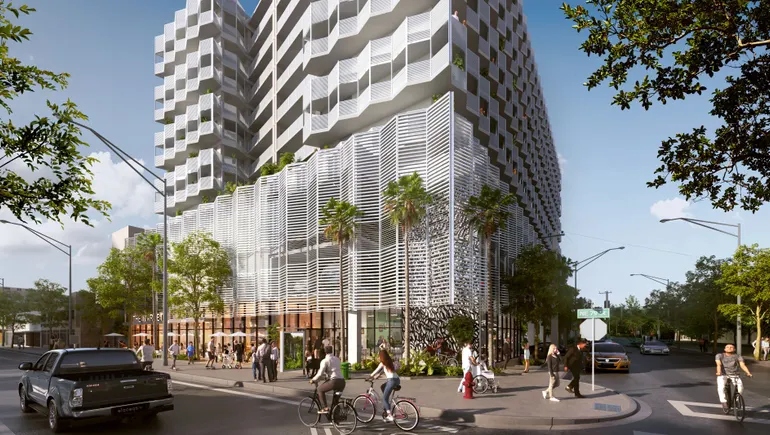
Margi Glavovic Nothard leverages her architecture firm Glavovic Studio to develop affordable housing projects in South Florida and Los Angeles using strategies like adaptive reuse and modular construction, addressing the housing affordability crisis.

Since late 2025, U.S. immigration enforcement actions have had widespread impacts on the multifamily housing market. Hotspot cities like Minneapolis have borne the brunt, but apartment markets in regions such as Texas, Florida, Arizona, and Southern California have also experienced declining occupancy rates and rental pressure. Operators are responding proactively through staff training and legal measures, while industry observers note that Class C assets face greater risks, and the combination of loan maturities and shrinking demand could lead to more severe financial problems.

2026 is shaping up to be the long-awaited transformative year for the multifamily housing industry. Although 2025 ended with flat rents and macroeconomic uncertainty, the new year brings hope through reduced supply, improved capital accessibility, and a rebound in executive hiring. However, high unemployment, low consumer confidence, and federal immigration enforcement continue to pose challenges. This article outlines industry experts' views on the key opportunities and risks for the year ahead.

Despite slowing industry growth, apartment management companies are still investing in strengthening their management teams. American Landmark CEO Joe Lubeck plans to expand technology and capital markets executives in 2026 after raising approximately $400 million. Multiple headhunting agencies indicate that after several years of downturn, the hiring market is expected to improve in 2026, with development and transaction-related positions having declined by 50% to 75%, but demand for AI-related roles is rising.
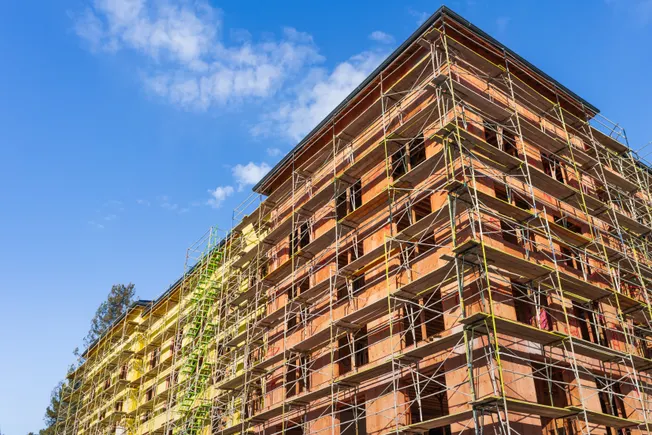
Despite a significant decline in multifamily housing starts in 2025, industry insiders believe that with improved capital conditions, lower construction costs, and reduced supply, development difficulty is expected to ease in 2026.
In 2025, multifamily apartment rents ended the year amid a supply peak and weak demand, with annual growth nearly flat. Entering 2026, as pandemic-era construction projects are gradually delivered, economists generally expect rents to rise moderately by about 2%. However, regional market divergence is significant: the Midwest and Northeast may lead growth, while some Sun Belt cities remain burdened by oversupply. On the macroeconomic front, declining consumer confidence, tighter immigration policies, and the structural characteristic of high-income groups dominating consumption add uncertainty to demand recovery. Rent concessions are expected to remain widespread during the spring leasing season, while regulatory changes in rent control legislation and all-in pricing may also have profound impacts on rent data and market behavior.