


Latest news

Adam America Real Estate has shifted from traditional multifamily housing to student housing, completing several projects and planning to build a student tower with over a thousand beds in Austin. CEO David Brickman discusses investment strategy, financing advantages, and competition on amenities.

The multifamily housing industry is facing dual pressures of oversupply and resident churn. Data shows the national vacancy rate rose to 8.6% in early 2026, with the cost of replacing a single unit at least $4,000. Industry observers note that a shift in mindset from "what amenities to add" to "what pain points to eliminate" may offer investors a clearer path to value creation. Reliable high-speed internet connectivity is becoming a key factor influencing lease signing and renewals, and may improve investment returns by reducing operational risks and enhancing exit valuations.
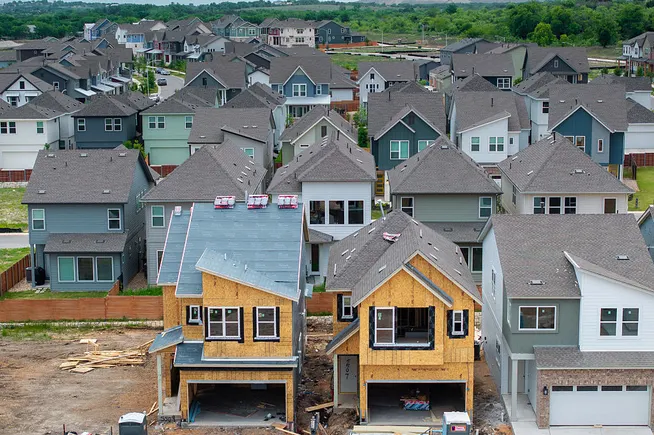
Harvard's Joint Center for Housing Studies 2026 housing report shows that economic headwinds are weakening housing demand, construction activity is sluggish, and vacancy rates are recovering but still below historical averages. Rental cost burdens are at record levels, low-income families face severe housing shortages, federal assistance is insufficient, and states are advancing housing reforms with unprecedented intensity.
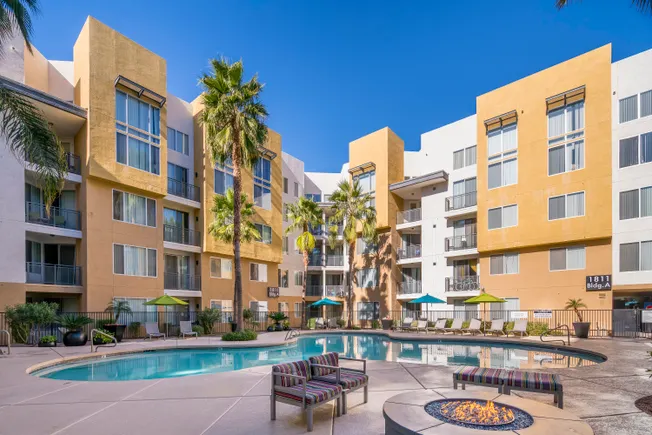
American Landmark Apartments announced on June 15 that it has appointed Elizabeth Roy as Chief Investment Officer (CIO). Roy will be based in the Palm Beach County office, report directly to CEO Joe Lubeck, and lead the company's investment strategy, capital deployment, acquisitions, risk management, and portfolio management. She believes this is a favorable time to join the company and is optimistic about rent growth prospects in the Sun Belt market from 2026 to 2027.

Frank Cassidy joined HUD in April 2025 and was confirmed by the Senate in December of that year, serving as FHA Commissioner and Assistant Secretary for Housing. During his tenure, he drove multifamily housing loan policy reforms, including reducing mortgage insurance premiums, streamlining environmental reviews, and working to transform the agency's culture. This article is an interview with him by Multifamily Dive, in which he discusses industry challenges, policy achievements, and future outlook.
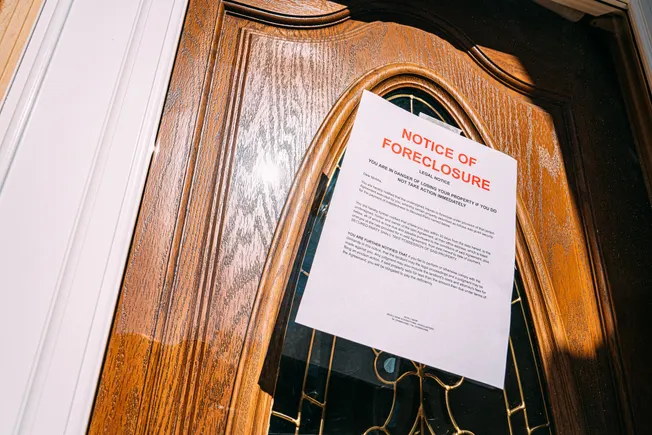
The latest Trepp data shows that in May 2026, the non-agency CMBS multifamily loan default rate decreased by 76 basis points month-over-month to 6.95%, and the specially serviced rate decreased by 57 basis points to 8.51%, both recording the largest improvements in the commercial real estate sector for that month. The overall CMBS default rate edged up by 1 basis point to 7.55%, while the specially serviced rate decreased by 51 basis points to 10.86%.
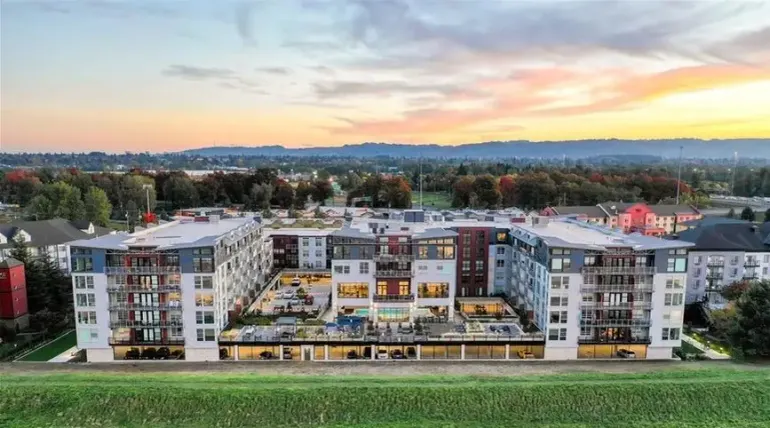
Last week, Swapnil Agarwal reached a forbearance agreement with lenders to avoid foreclosure auctions on three North Texas apartment properties. He plans to buy time for his approximately 15,000-unit portfolio through refinancing, paying extension fees, and other measures.

The latest research from the Urban Institute shows that transit-oriented development (TOD) is thriving, creating new opportunities for the housing industry. The study notes that homes near quality public transit are more sought after and command higher rents. On the policy front, multiple states are adjusting zoning regulations to encourage TOD, and federal legislation is also advancing. However, uneven transit service quality and exclusionary zoning remain major barriers. The housing industry should support transit investment and coordinate planning to unlock potential.
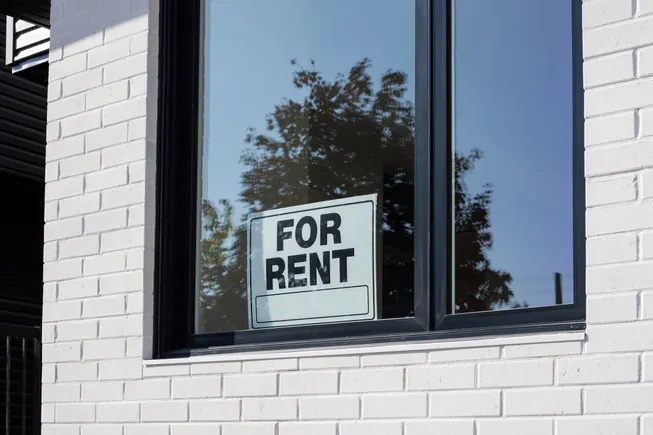
New research from investment management firm Colliers shows that rent concessions are eroding effective rents and intensifying pressure on the multifamily housing market, particularly in areas still absorbing recent high volumes of apartment construction. Meanwhile, multifamily REIT executives generally mentioned reduced rent-free incentives in their first-quarter reports. LeaseLock Chief Economist Greg Willett notes that aggregate data fails to capture the full picture, as concessions are concentrated in specific asset classes and regions.
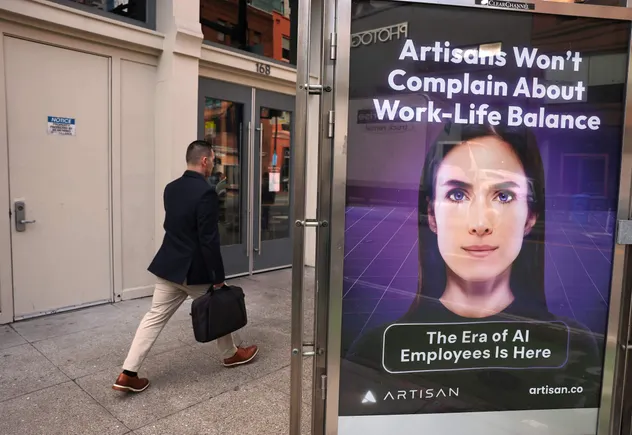
Unemployment concerns triggered by artificial intelligence are moving from theory to reality. Since early 2026, multiple corporate layoff announcements have cited AI as the primary cause, cumulatively affecting nearly 100,000 jobs. Apartment owners, analysts, and economists have begun assessing the potential impact of this trend on young white-collar renters and tech-intensive rental markets, but significant divergence remains within the industry regarding the perceived level of threat.